Understanding the Sumwin Stainless Steel Industry
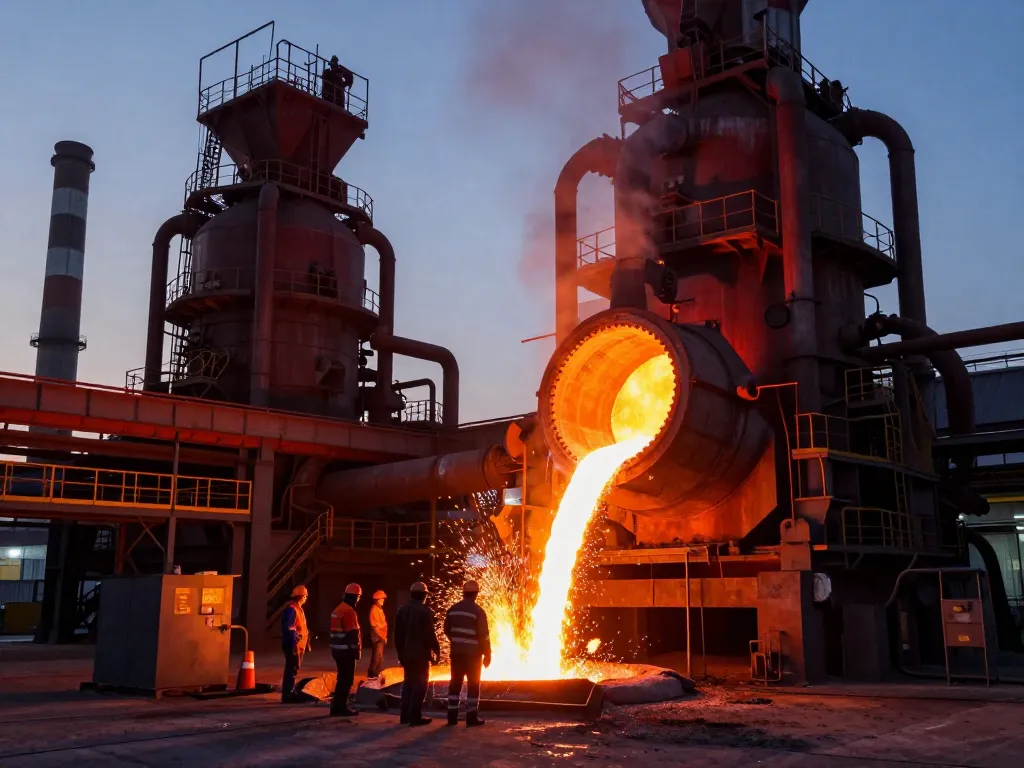
The Sumwin stainless steel industry is a crucial segment of the global materials market, known for its versatility and durability. Stainless steel serves a multitude of applications ranging from construction to medical equipment, providing strength and resistance to corrosion. Given its extensive application scope, understanding the offerings in this sector is vital for businesses seeking reliable materials. When exploring options, sumwin provides comprehensive insights into the quality and specifications required for various industrial needs.
What is Sumwin Steel and its Benefits?
Sumwin Steel, particularly in its stainless steel form, represents a high-grade alloy that incorporates chromium, nickel, and other elements, enhancing its strength and corrosion resistance. This combination leads to several benefits:
- Corrosion Resistance: Stainless steel’s primary advantage is its ability to withstand rust and corrosion, making it ideal for outdoor and industrial applications.
- Durability: The material’s toughness allows it to last longer than other metals, reducing the need for frequent replacements.
- Low Maintenance: With a smooth surface, stainless steel is easy to clean, which is particularly beneficial in sanitary environments.
- Recyclability: Stainless steel is 100% recyclable, which aligns with global sustainability goals.
Key Market Trends for 2026
The stainless steel market is forecasted to grow, driven by several key trends:
- Increasing Urbanization: The demand for stainless steel in construction and infrastructure projects continues to rise as urban centers expand.
- Technological Innovations: Advances in manufacturing processes are improving the efficiency and quality of stainless steel production.
- Sustainability Initiatives: The industry is increasingly focusing on sustainable practices, with many companies adopting eco-friendly processes to reduce their carbon footprint.
Challenges in the Stainless Steel Supply Chain
Common Obstacles in Manufacturing
Manufacturing stainless steel presents several challenges. One major issue is the fluctuation in raw material prices, primarily for nickel and chromium. Such volatility can lead to unpredictable costs, affecting pricing strategies for manufacturers. Additionally, the complexity of the production process—particularly in achieving the right balance of alloying elements—requires precise control and expertise.
Logistical Issues Affecting Supply
Logistics plays a critical role in the stainless steel supply chain. Delays in transportation can disrupt the timely delivery of materials, impacting production schedules. Furthermore, global trade dynamics, such as tariffs and shipping costs, complicate the procurement of raw materials and finished products.
Regulatory Compliance and Quality Standards
Adhering to regulatory compliance and quality standards is paramount in the stainless steel industry. Different regions have varying regulations, which can pose challenges for companies operating internationally. Ensuring that products meet industry-specific standards is essential for market acceptance and consumer safety.
Best Practices for Sourcing Sumwin Stainless Steel
Identifying Reliable Suppliers
Finding trustworthy suppliers is critical for ensuring the quality and reliability of stainless steel products. Businesses should conduct thorough research, seek references, and evaluate suppliers based on their track record and adherence to quality certifications.
Negotiating Contracts for Optimal Pricing
Effective negotiation strategies can lead to favorable pricing and terms when sourcing stainless steel. Companies should consider bulk purchasing, long-term contracts, and flexible payment options to enhance their procurement strategies.
Implementing Quality Control Measures
Instituting robust quality control processes is essential to maintaining product integrity. Regular inspections, testing, and compliance audits help ensure that stainless steel products meet required specifications and standards.
Innovative Technologies in Stainless Steel Production
Automation and Efficiency Gains
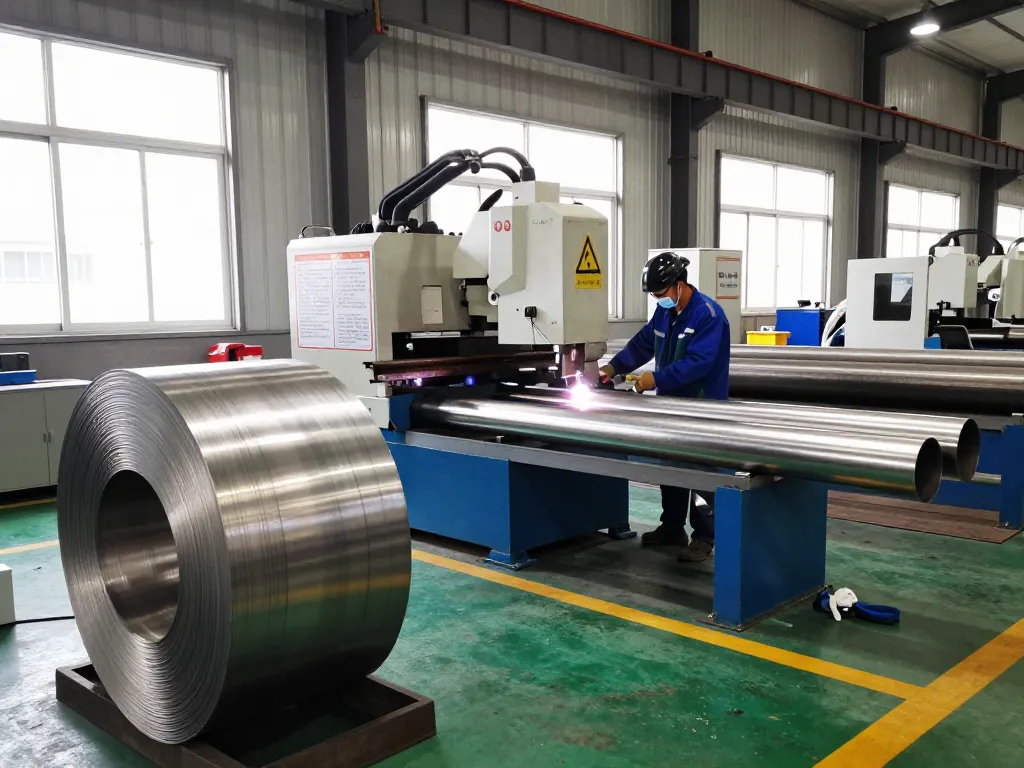
The integration of automation technologies in stainless steel production is transforming manufacturing processes. Automation enhances efficiency, reduces labor costs, and minimizes human errors, leading to higher productivity levels.
Emerging Manufacturing Technologies for 2026
As we look ahead to 2026, emerging technologies such as 3D printing and advanced welding techniques are beginning to reshape the landscape of stainless steel manufacturing. These innovations allow for more complex designs and faster production times.
Impact of Sustainability on Production
Sustainability is becoming a non-negotiable aspect of production in the stainless steel industry. Companies are adopting sustainable practices, including the use of recycled materials, energy-efficient manufacturing processes, and waste reduction strategies, to appeal to environmentally conscious consumers.
Future of Sumwin Stainless Steel in the Global Market
Predictions for Market Demand and Growth
The demand for Sumwin stainless steel is expected to witness significant growth as industries increasingly adopt this versatile material. Projections indicate a steady rise in construction, automotive, and consumer goods sectors where stainless steel plays a vital role.
Potential Shifts in Industry Practices
Industry practices are likely to evolve, with a growing emphasis on agility and responsiveness to market changes. Companies may seek to diversify their offerings and invest in research and development to stay competitive.
Preparing for Changes in Consumer Preferences
As consumer preferences shift towards quality and sustainability, businesses must adapt by focusing on the characteristics that consumers value most in stainless steel products. This includes durability, aesthetic appeal, and environmental impact.
What are the key advantages of using Sumwin stainless steel?
Key advantages include its durability, corrosion resistance, low maintenance, and recyclability, making it an ideal choice for various applications, from construction to kitchen appliances.
How can I improve my supply chain for stainless steel products?
Improving your supply chain can involve strengthening relationships with suppliers, adopting automation technologies, and implementing robust logistics and quality control strategies.
What technologies are shaping the future of steel manufacturing?
Technologies such as automation, 3D printing, and advanced welding are significantly shaping the future of steel manufacturing, promoting efficiency and quality.
What sustainability practices should be adopted in steel production?
Sustainability practices include using recycled materials, reducing energy consumption, and minimizing waste throughout the production process.
How do I ensure compliance with industry standards?
Compliance can be ensured through regular audits, adherence to established guidelines, and staying updated on regulatory changes affecting the industry.