
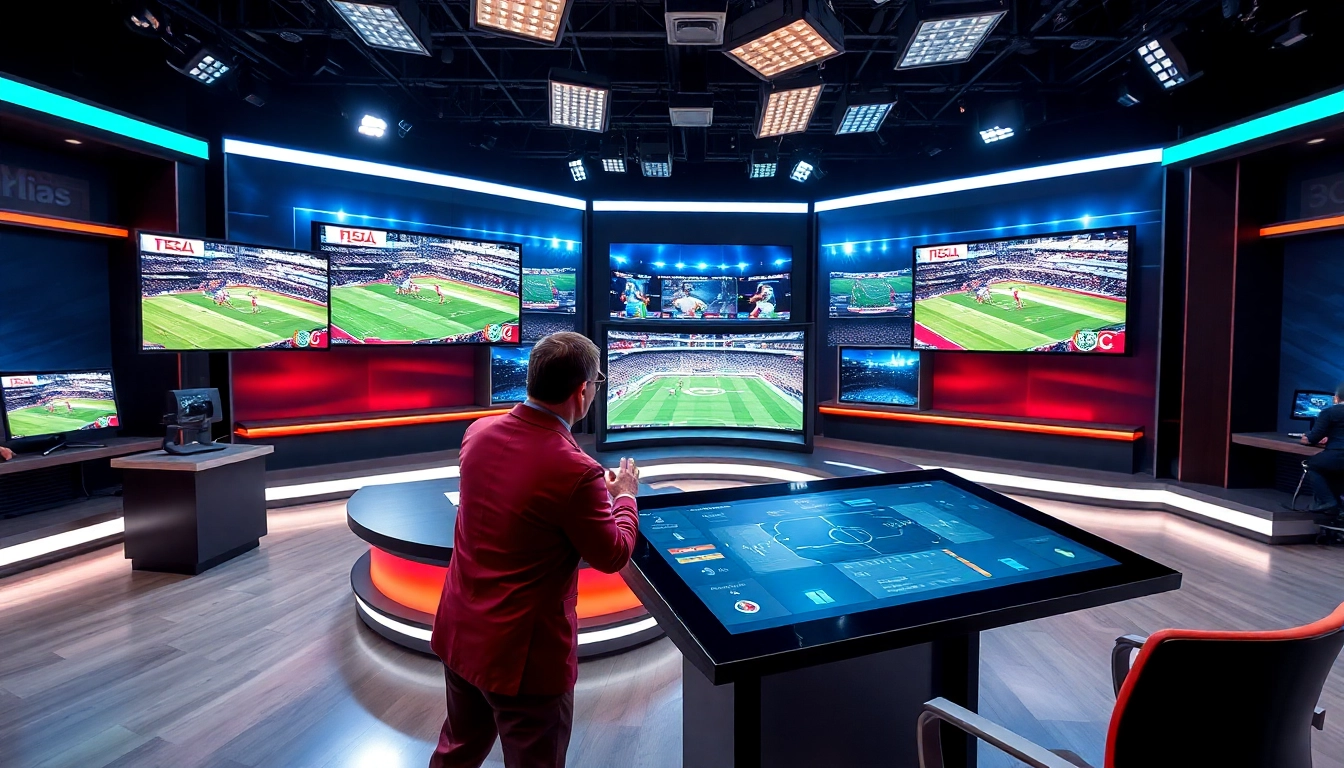
Understanding Sports Broadcasting
Sports broadcasting has transformed significantly over the decades, evolving from simple radio broadcasts to complex multimedia productions that captivate audiences around the globe. The realm of Sports Broadcasting encompasses a myriad of layers, all designed to enhance the consumer experience while ensuring a robust infrastructure for delivering content. This complex ecosystem involves a deep understanding of audience dynamics, technology, and engaging storytelling.
The Evolution of Sports Broadcasting
The journey of sports broadcasting began in the early 20th century, primarily through radio broadcasts. News of sporting events reached audiences instantly, paving the way for live commentary. The introduction of television in the 1950s marked a significant turning point. Major milestones, like the first televised baseball game in 1939 and the 1960s expansion of network broadcasting, fueled public interest and transformed viewing habits.
As technology advanced, so did the methods of delivery. The advent of cable television in the 1980s opened new doors, allowing for the segmentation of sports content. This paved the way for dedicated sports channels, which provided round-the-clock coverage and introduced viewers to niche sports and events that previously went unnoticed.
In the 21st century, the digital revolution has further altered the landscape. Streaming services and social media platforms have enabled sports organizations to reach audiences directly, creating more personalized viewing experiences. Today, sports broadcasting is not merely about airing events but creating interactive, multi-channel experiences.
Key Components of Sports Broadcasting
The landscape of sports broadcasting is underpinned by several key components, each vital for delivering an effective viewing experience:
- Content Creation: Coverage of live events, highlights, documentaries, and expert analysis contributes to comprehensive programming.
- Production Quality: High-definition video, advanced audio techniques, and graphics enhance viewer engagement and enjoyment.
- Distribution Channels: Utilizing television, cable, satellite, and emerging digital platforms ensures a wider reach and availability.
- Audience Engagement: Interactive content and real-time feedback systems enhance viewer satisfaction and loyalty.
Importance of Audience Engagement
Audience engagement is a critical focus for sports broadcasters. Maintaining viewer interest demands an understanding of audience preferences and the implementation of strategies that foster interaction. Modern audiences are drawn in by personalized content delivered through platforms that resonate with their lifestyles.
Engagement strategies may include social media interactions, mobile applications for real-time statistics, live chats, and behind-the-scenes content that deepens the viewer experience. The key to success lies in creating community around sports, allowing fans to feel involved beyond just watching events.
Main Challenges in Sports Broadcasting
Despite its many advantages, sports broadcasting faces substantial challenges that can impact its effectiveness and profitability. Understanding these challenges is essential for stakeholders aiming to navigate this competitive landscape successfully.
Technological Limitations
While technology continues to advance, broadcasters must constantly adapt to emerging trends. Issues like bandwidth limitations, latency, and the need for investment in state-of-the-art equipment may strain resources. Ensuring broadcast quality across various platforms, particularly in rural areas, remains a significant hurdle.
Moreover, the rise of 4K and even 8K content sets new benchmarks for quality but demands enhanced infrastructure and production capabilities, which can be costly.
Legal and Licensing Issues
Legal complexities surrounding rights management and licensing agreements can impede operations in sports broadcasting. Broadcasters must negotiate various rights for broadcasting events, often facing competition from others bidding for the same licenses. The complexity is further magnified by restrictions on content use and the geographical limitations placed on broadcast rights.
To mitigate these challenges, it is critical to partner with legal experts who understand the dynamic landscape of sports broadcasting, allowing for better navigation of regulations and negotiations.
Maintaining Broadcast Quality
Consensus on maintaining high broadcast quality is essential for viewer retention. Factors like production errors, technical glitches, and poor commentary can deter viewers. Regular training programs, quality checks, and adopting new technologies can help in consistently delivering high-quality broadcasts. Collaboration with industry experts and investment in ongoing training for staff also contribute to excellence in broadcast standards.
Best Practices for Effective Sports Broadcasting
In light of the evolving nature of the sports world, certain best practices have emerged that can enhance the effectiveness of sports broadcasting endeavors.
Utilizing Multi-platform Strategies
Adopting multi-platform strategies is no longer optional; rather, it is a necessity in reaching today’s diverse audiences. Broadcasting should not be restricted to traditional formats alone. An integrated approach using television, mobile platforms, social media, and web applications enriches the viewer experience and maximizes audience reach.
For example, broadcasting a live event on TV while simultaneously streaming on social media platforms can help capture viewers across different ages and demographics, ensuring no one misses out on the action.
Engaging Storytelling Techniques
Effective storytelling is a cornerstone of engaging sports broadcasting. Narratives that resonate with audiences create emotional connections and foster loyalty. Broadcasters should employ storytelling techniques that highlight player journeys, team dynamics, and historic rivalries. Unique angles on familiar events lead to deeper viewer engagement.
Furthermore, incorporating interviews, pre-and post-game analyses, and fan interaction segments enriches the narrative, allowing audiences to see the sport through varied lenses.
Real-time Audience Interaction
Real-time interaction enables broadcasters to create more immersive experiences. Utilizing social media feeds, live polls, and Q&A sessions fosters a sense of community among viewers. Platforms like Twitter and Instagram serve as effective channels for such interactions, encouraging real-time feedback and participation.
Additionally, incorporating augmented reality (AR) elements provides opportunities for richer engagement, allowing viewers to interact with content in ways previously unimaginable.
Innovations Shaping the Future of Sports Broadcasting
The future of sports broadcasting is continuously shaped by emerging technologies and innovative practices. These advancements promise to create deeper, more interactive experiences for audiences.
The Role of AI in Broadcasting
Artificial intelligence (AI) is revolutionizing sports broadcasting through enhanced analytics, automated content production, and personalized viewing experiences. Machine learning algorithms can analyze vast amounts of data in real-time, providing insights into athlete performance and game strategies.
AI-powered tools can also assist in producing highlight reels automatically, ensuring fans receive timely updates without additional manual effort.
Virtual Reality and Augmented Experiences
Virtual reality (VR) and augmented reality (AR) technologies are redefining how audiences experience sports. VR can transport fans to virtual stadiums, providing an immersive experience that traditional broadcasts cannot. AR enhances viewing experiences by overlaying graphics or statistics directly onto screens during live broadcasts.
Engaging fans with VR experiences not only elevates attendance but also enables a form of live interaction that can significantly transform how sports events are consumed.
Data Analytics for Enhanced Performance
Data analytics plays a crucial role in shaping sports broadcasting by providing insights into audience behavior and preferences. By analyzing viewer data, broadcasters can refine their content strategies and tailor broadcasts to cater to specific demographics and interests.
Furthermore, performance analytics within teams also inform broadcasts, creating segments that provide fans with deeper insights into player statistics, game strategies, and performance metrics. This sophistication in content can enhance viewer engagement and understanding.
Measuring Success in Sports Broadcasting
Measuring success in sports broadcasting involves a multifaceted approach focused on audience engagement, performance metrics, and continuous improvement strategies.
Key Performance Indicators (KPIs)
Establishing clear KPIs is essential for measuring the success of broadcasting strategies. KPIs may include viewer retention rates, audience demographics, and interaction levels across platforms. Analyzing these metrics helps broadcasters understand what resonates with their audience and adjusts their approaches accordingly.
Metrics such as Average View Duration (AVD) and Total View Count provide valuable insight into audience engagement while also serving to benchmark performance against industry standards.
Audience Feedback and Analytics
Audience feedback, whether collected through surveys, social media interactions, or analytical tools, provides vital insights into the viewer experience. Listening to the audience empowers broadcasters to adapt content and improve engagement. By proactively addressing feedback and suggestions, broadcasters can strengthen loyalty and connection with their viewers.
Adapting Strategies for Continuous Improvement
In an ever-changing sports landscape, the ability to adapt is critical for success. Continuous improvement strategies should include regular performance evaluations, trend analysis, and technology assessments. Broadcasters must also stay ahead of emerging technologies and audience behaviors to ensure they remain relevant and competitive.
Implementing feedback loops where audience input is prioritized can significantly enhance overall performance and ensure alignment with audience expectations.
Frequently Asked Questions About Sports Broadcasting
What is sports broadcasting?
Sports broadcasting involves the dissemination of sports events and related content through various platforms, including television, radio, and digital media.
How has technology changed sports broadcasting?
Technology has introduced live streaming, high-definition broadcasts, and interactive experiences, significantly enhancing viewer engagement and accessibility.
What are the challenges in sports broadcasting?
Challenges include legal and licensing issues, technological limitations, and maintaining high broadcast quality across platforms.
Why is audience engagement important in sports broadcasting?
Engagement fosters community, loyalty, and retention, making it vital for broadcasters to connect meaningfully with their audience.
What role does data analytics play in sports broadcasting?
Data analytics provide insights into audience behaviors and preferences, helping broadcasters tailor their content and enhance viewer experience.
